Invasive plants affect human health, well-being
By Renee Sandelowsky and Helen Varekamp
Renee Sandelowsky and Helen Varekamp are Bayfield residents and local volunteers. They are writing a monthly series of articles about the benefits of planting native species of plants and the need to remove invasive species. In June 2026, their article is about the impacts, of invasive species of plants, on human health and well-being
It is well-documented that, globally and here in Canada, biodiversity is declining at unprecedented rates.
The Government of Canada and the United Nations list non-native invasive species as one of the top direct causes of biodiversity loss, along with climate change and habitat destruction.
To be clear, not all non-native plants are harmful. The harmful non-native plants are those that negatively impact our economy, our environment or human health. Those plants are classified as invasive.
Most of our essential food crops are non-native species. They provide us with a variety of nutritious products, such as peaches, carrots, peanuts and spinach, to name a few.
Allergies and Respiratory Illness
Seasonal allergies are on the rise globally.
Horticulturalist Thomas Ogren developed a science-based tool that uses a 10-point scale to rate plants based on their allergen level.
Invasive plants with high allergenic potential include: Tree-of-heaven (9); Queen Anne’s Lace (10); Russian and Autumn Olive (9); Burning Bush (7); and White Mulberry (10).
Dermatitis and Injury
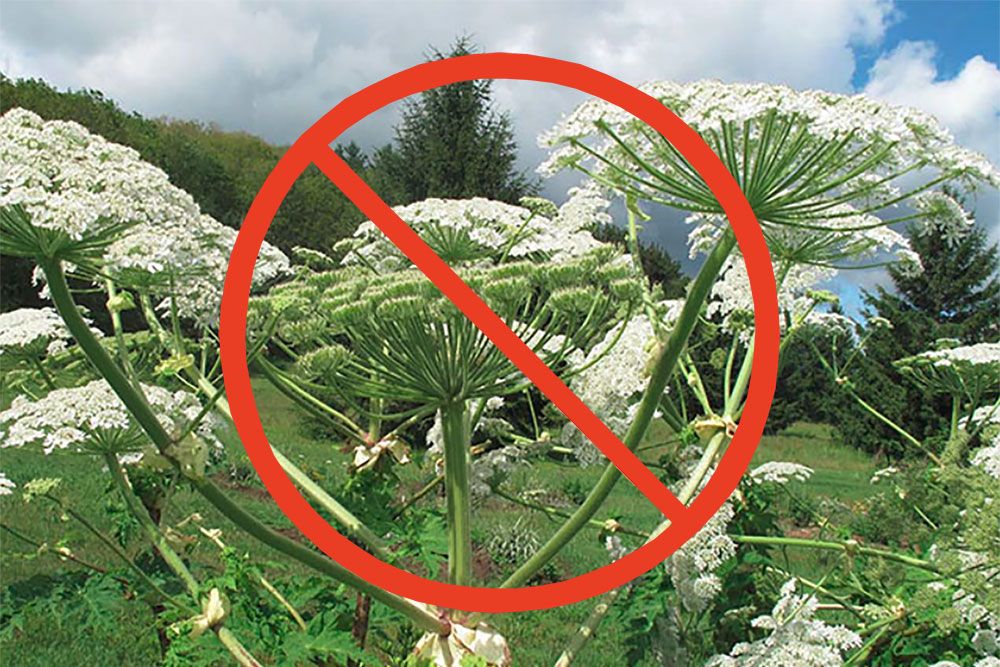
Wild Parsnip and Giant Hogweed cause severe skin burns in sunlight.
Dense, thorny thickets of invasive Roses, Barberries, and Brambles can cause injury.
Poisoning
Some invasive ornamentals are poisonous. For example, Lily of the Valley – still widely sold – contains cardiac glycosides that can cause serious illness or death if ingested by people or pets.
Vectors of Disease
Japanese Barberry provides ideal habitat for black-legged ticks, increasing Lyme disease risk.
Ornamental water plants such as Parrot’s Feather; Water Lettuce; and Water Hyacinth provide breeding habitat for mosquitoes and degrade wetlands.
Many invasive aquatic plants are linked to increases in water-borne illnesses.
Mental Health
Dense stands of invasive plants can make trails impassible and shorelines unusable for swimming or boating.
Reduced access to healthy natural areas is linked to reduced mental well-being.
The evidence is clear that invasive plants impose significant costs on nature, on our communities, on the economy, and on our health.
The fact that many of these species remain for sale does not diminish the need to act.
Responsible gardening means choosing plants that sustain the ecosystems on which we all depend, especially as gardens have become important habitats for wildlife in a world where natural habitats are disappearing or degrading.
– Renee Sandelowsky and Helen Varekamp are Bayfield residents and local volunteers. They are writing a monthly series of articles, about the need to remove and switch away from invasive plants in favour of native species of plants, for the Canadian Coalition for Invasive Plant Regulation.