Turtle Hatchling Release Event
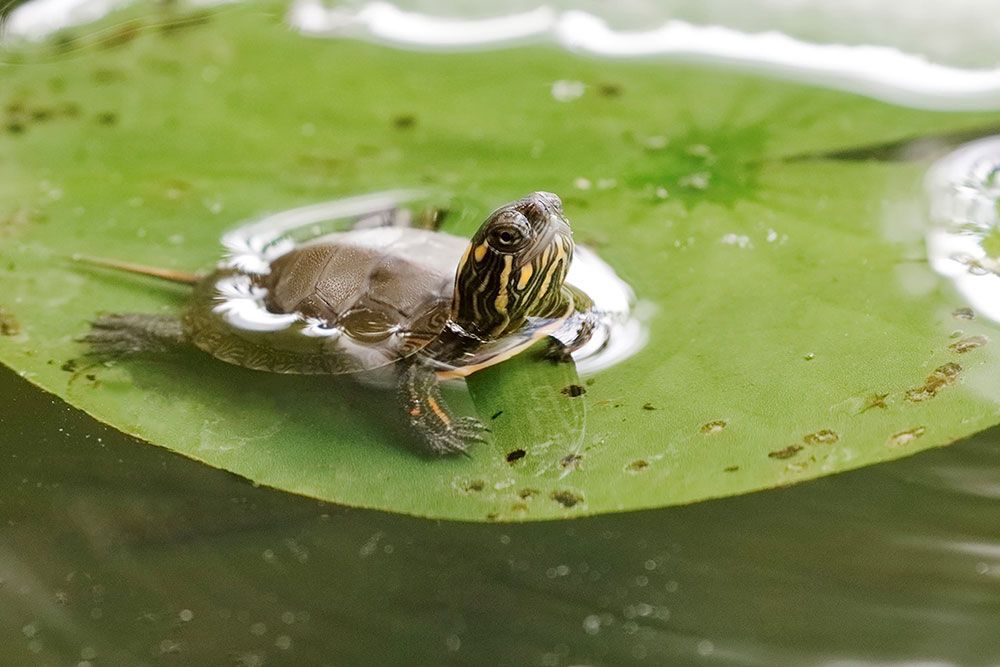
The annual Turtle Hatchling Release Event takes place on Thursday, September 3, 2026.
Eleventh Annual Turtle Release Event to take place at Morrison Dam Conservation Area, east of Exeter, on Thursday, September 3, 2026
Turtle hatchling release event educates public about freshwater turtles and habitat they need to survive
The Eleventh Annual Turtle Release Event is Thursday, September 3, 2026.
The event takes place east of Exeter at Morrison Dam Conservation Area, 71108 Morrison Line.
- Go now to the Turtle Release Eventbrite link.
Celebrate conservation featuring interactive booths and the release of turtle hatchlings back into their natural habitat!
Come join us for the 11th Annual Turtle Release at Morrison Dam Conservation Area.
Get ready to witness these amazing creatures return to their natural habitat on September 3, 2026 from 1 p.m. to 4 p.m. (Eastern Time).
Frequently Asked Questions (FAQ)
When?
You can drop by anytime between 1 p.m. and 4 p.m. to enjoy educational displays and activities.
Turtle hatchlings are released, back into the wild, every 20 minutes.
Where to park?
People can park in the spillway area south of the Ausable Bayfield Conservation Administration Centre at 71108 Morrison Line.
Volunteers will help to direct cars into this area.
What does it cost?
Admission is free and people are welcome to drop it at any time during the event.
Donations are encouraged and net proceeds support turtle conservation in Ontario.
How often are turtle hatchlings release?
There will be hatchling releases every 20 minutes.
What's taking place?
It's going to be a day filled with fun, education, and turtles.
Don't miss out on this exciting event.
The event will include live reptiles on display; family friendly activities; educational displays and more.
There will also be merchandise and treats for sale.
The turtle release event has taken place since 2016 (it was held as a virtual event in 2020 and 2021).
Many hundreds of people have attended the event over more than a decade.
The event is a great way to educate the young and the young at heart about Ontario’s eight freshwater turtle species, which are all at risk and which are all found in Ausable Bayfield watersheds.
In advance of the event, trained personnel, with required permits, collect the turtle eggs at the site of the release and then incubate them. The eggs are not likely to hatch successfully if left on their own.
Staff releasing the hatchlings, back into the wild in the area they were found, are trained and authorized, with required permits, to release them. People attending the turtle release will not be able to hold the turtles. This is to protect the animals and reduce their stress. Those attending can see the turtles as they are released and learn about them. (Organizers remind the public to never release species, especially non-native species, into the wild).
Ontario’s native freshwater turtles face many threats including habitat loss and road mortality (death by cars and other vehicles). Hundreds of turtles in Ontario are hit by cars each year. These could be gravid (pregnant) females looking for a place to lay eggs, or turtles looking for new habitat and mates.
People can help turtles by creating and enhancing habitat on their properties, helping turtles cross the road in the direction they are heading (when it is safe to do so), and working with their local municipalities and communities to erect turtle crossing signs and build safe passages. People can also arrange for transport of injured turtles to the turtle hospital.
Turtles are important links in food webs and provide essential ecological services, said Hope Brock, Healthy Watersheds Specialist at ABCA. Snapping turtles, for example, help to control aquatic vegetation and clean creeks and wetlands by eating algae and dead and decaying fish and other organisms. They also cycle nutrients and spread seeds which benefit other organisms.
People can protect turtles by watching for turtles on roads when driving, helping them safely cross roads in the way they are headed, protecting nests from predators, and reporting turtle sightings to community monitoring projects. Enhancing turtle habitat is also vital.
Preserving and creating habitat for turtles and other species is one of the most important things we can do to sustain our turtle species.
There has been a huge increase in the interest in turtles and protecting turtles in our watershed, so we also want to thank people for these efforts.
Thank you for your continued curiosity, for attending this event, and for your desire to help these at-risk animals.
To learn more visit the Ausable Bayfield Conservation turtles web page.